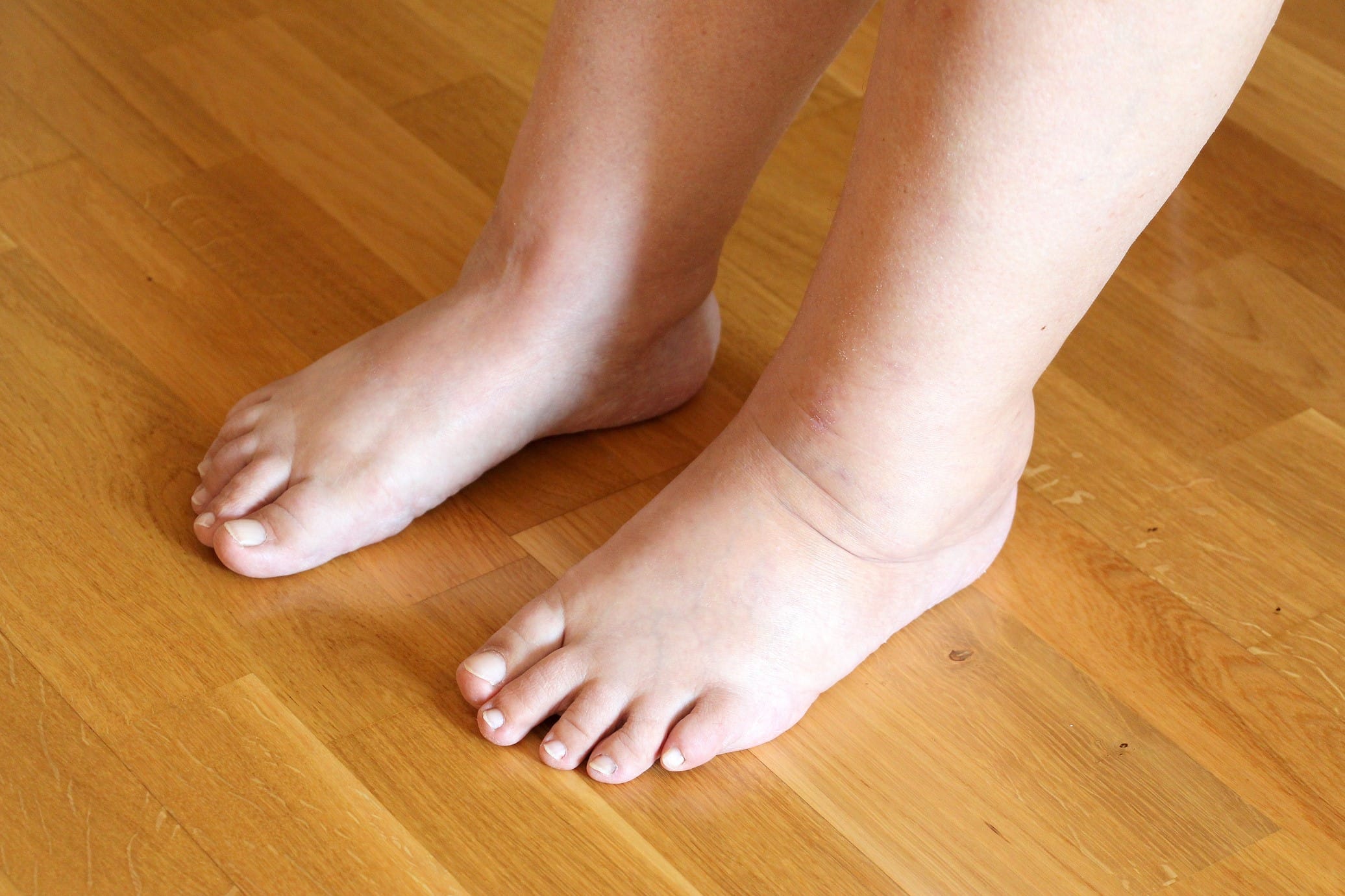
As scaring of the liver progresses, people with primary biliary cholangitis (PBC) may start to notice swelling in their feet, legs and abdomen. This swelling is because several aspects of PBC cause fluids to build up in the body. Thankfully, there are ways to manage this fluid retention through medication and lifestyle changes.
Edema and ascites: Fluid retention in PBC
The body holds onto fluids in two areas in PBC: it can be in the legs, ankles and feet, called edema, and as the disease progresses the body might also hold into fluid in the abdomen, called ascites.
Edema
Edema, or swelling of the lower legs, ankles and feet, most commonly occurs at the end of the day or after standing for a longer period. There are a few different contributing factors to edema in PBC:
- Low levels of albumin: Liver scaring means your body produces lower levels of albumin, a protein that helps keep fluid inside blood vessels. As PBC progresses, this lack of albumin causes fluid to leak into tissues and accumulate in the legs, ankles and feet.
- Kidney dysfunction: PBC can sometimes impact the kidneys. This makes them less able to regulate the balance of fluids, causing the body to retain salt and water.
- Poor circulation: Liver damage slows the flow of blood from the legs to the heart, increasing pressure on leg veins.
- Heart strain: Though cardiovascular complications are rare in PBC, additional pressure on the heart can impact circulation and lead to edema in the extremities.
Ascites
Ascites, a term for fluid retention in the abdominal cavity, is more likely to occur in advanced cases of PBC.
Ascites is caused by many of the same factors that lead to edema, but portal hypertension also plays a role. PBC causes liver damage that puts pressure on the portal vein, a vein that brings blood from the liver to the stomach. This increased pressure pushes fluid out of the blood vessels and into the abdominal cavity.
As ascites progresses, fluid retention puts pressure on the stomach and lungs, causing breathing difficulty and discomfort. Symptoms include swelling, bloating, weight gain, shortness of breath, loss of appetite, nausea and visible stretching of the skin.
Read more about PBC signs and symptoms
Managing the buildup of fluid due to PBC
There are some steps you can take to reduce the severity of edema and ascites when living with PBC. Consider incorporating the following into your daily routine:
- Eat a low-sodium diet by avoiding processed foods and not adding salt to food.
- Elevate your legs and wear compression stockings to reduce edema.
- Ask your doctor if diuretics (water pills) are a good option for you.
- Limit or completely avoid alcohol to protect the liver.
- Track your weight, as any rapid increase may indicate ascites.
- Monitor fluid intake, based on your doctor’s advice.
- Take your PBC medication regularly to help slow disease progression and treat symptoms.
- Ask your doctor about the option of draining fluid if ascites become too uncomfortable.
Sign up here to get the latest news, perspectives, and information about PBC sent directly to your inbox. Registration is free and only takes a minute.