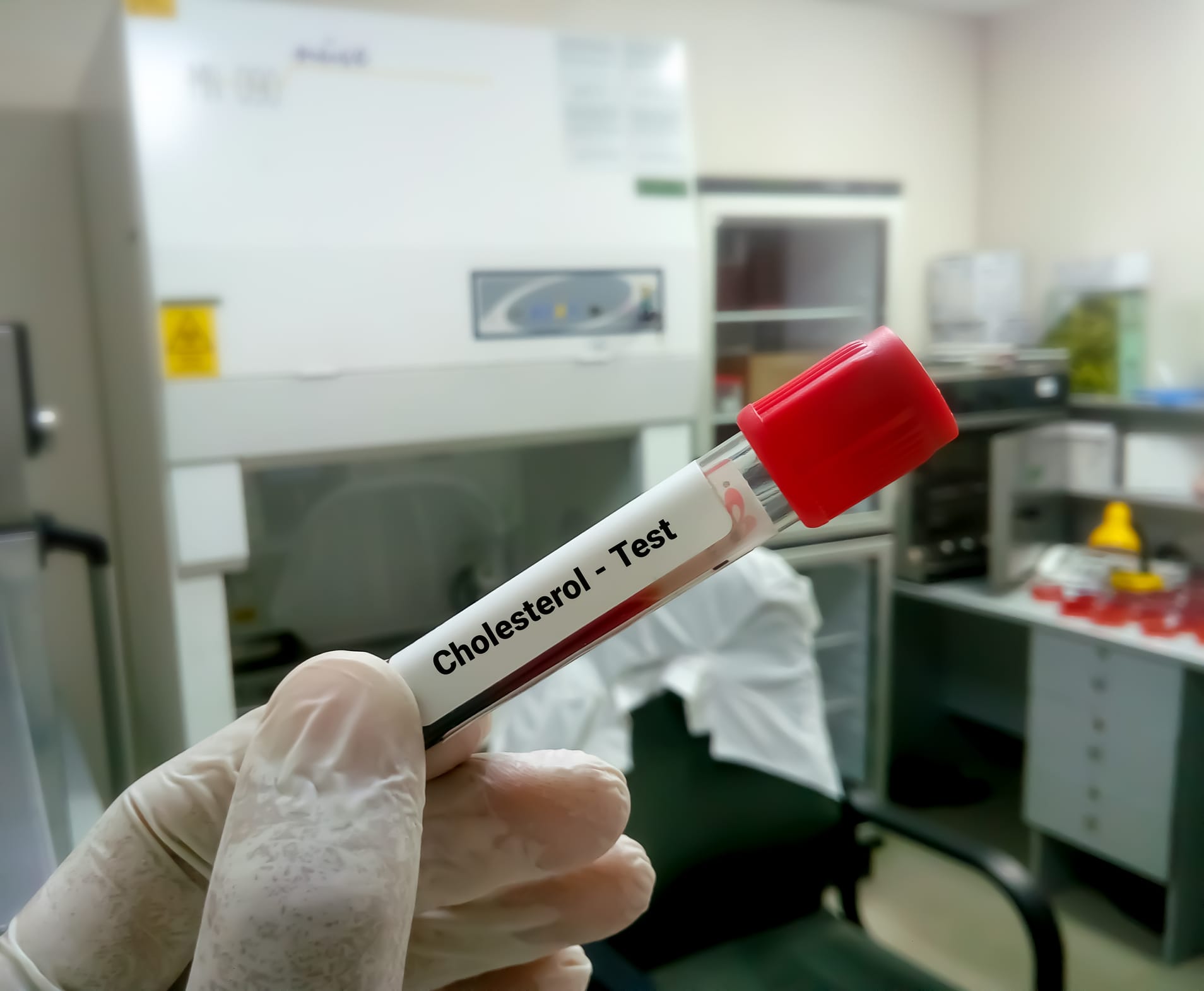
Roughly 75% to 95% of people with primary biliary cholangitis (PBC) have high cholesterol. However, this doesn’t always carry the same concerns as it does for those without PBC. Here is what people with PBC need to know about high cholesterol and why it isn’t always harmful in this liver disease.
PBC and the predisposition to high cholesterol
In PBC, the long-term blockage of bile flow from the liver can lead to elevated levels of fats in the blood — better known as high cholesterol, or hyperlipidemia.
When doctors speak about cholesterol, they usually make a distinction between high-density lipoprotein (HDL), known as “good” cholesterol, and low-density lipoprotein (LDL), known as “bad” cholesterol. Achieving the right balance here is key to overall health.
Patients with PBC typically have higher levels of a type of cholesterol particle called lipoprotein-X. Lipoprotein-X has a density similar to LDLs, and may look like LDLs in tests of your cholesterol levels, making it seem like your LDL levels are high.
But while lipoprotein-X raises total cholesterol in your body, this doesn’t necessarily put people with PBC at risk of cardiovascular problems. Lipoprotein-X is less likely than other forms of cholesterol to cause clogging of the arteries and complications such as heart disease.
Learn more about PBC signs and symptoms
Monitoring and treating high cholesterol in PBC
While lipoprotein-X is not necessarily linked to a higher risk of heart disease, this doesn’t mean high cholesterol levels in PBC can always be ignored. You may still be at risk of heart conditions and general poor health if you have comorbidities — other diseases present aside from PBC. For example, if you have health conditions such as diabetes and obesity, you will want to ensure that your cholesterol levels are in check. A family history of heart disease also raises your risk of experiencing the same.
Read more about PBC testing and diagnosis
Your care team should consider your specific risk factors when monitoring cholesterol levels and deciding if treatment is necessary. Your doctor may recommend extra tests such as an Apo B test, a blood test that checks for levels of a protein found in LDLs.
If your doctor recommends treatment for high cholesterol they may suggest statins, a type of drug that help block an enzyme the liver needs to make cholesterol. Research has shown statins are generally safe for people with PBC.
You may also consider making lifestyle changes, such as avoiding unhealthy foods (especially those that are highly processed, oily and greasy) and trying to get more physical exercise.
Sign up here to get the latest news, perspectives, and information about PBC sent directly to your inbox. Registration is free and only takes a minute.