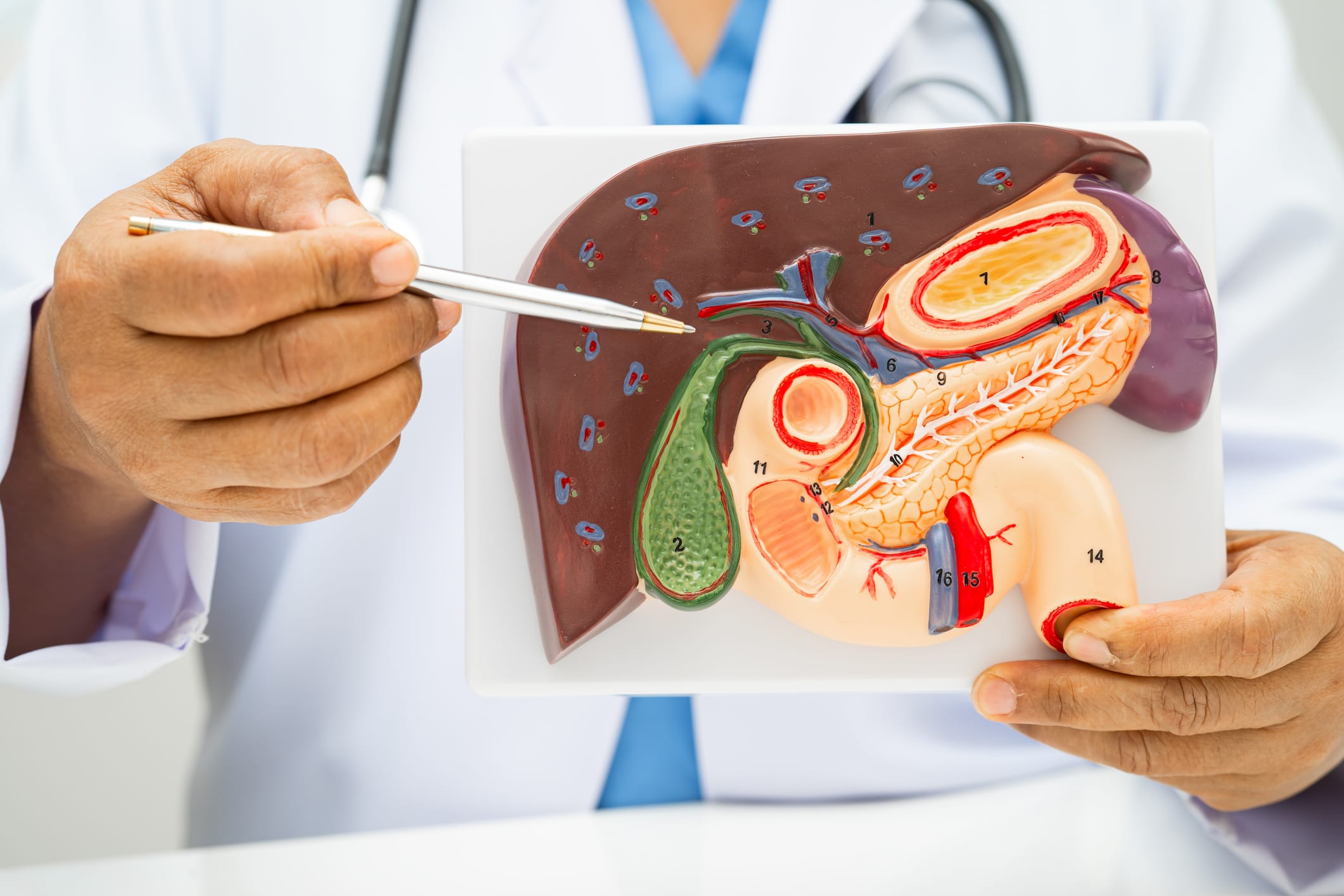
Primary biliary cholangitis (PBC) is the progressive destruction of the bile ducts of the liver. This disease often leads to liver scarring and eventually liver failure.
Given that bile ducts play such a central role in PBC disease processes, it’s important to understand what they are.
First: What is bile?
Bile is an important chemical that is released by the liver to break down fat. Without bile, fat cannot be absorbed by the body, leading to the common issue of fatty stools that often look pale and have an unpleasant odor.
Bile also has the role of carrying waste products out of the liver.
Understanding the bile ducts
The bile ducts are small tubes that transport bile from the liver to the intestine.
The main function of the intestines is to digest food and ensure that nutrients are absorbed into your body. Without bile, they are unable to fully perform this task.
In PBC, bile ducts don’t function as they should because the body’s immune system mistakenly attacks and destroys them. As a result, the bile ducts become inflamed and suffer damage. This is bad news, because it means that the bile does not have an outflow from the liver and begins to build up.
What happens when bile ducts are destroyed
The liver is not meant to handle the accumulation of bile that occurs in PBC. It irritates and damages the cells in the liver. And it is this abnormal buildup of bile that causes many of the symptoms associated with PBC.
Read more about PBC testing and diagnosis
Take itch, for example. Itching in PBC can sometimes be so severe that life comes to a standstill. This deep, seemingly intractable itch is caused by built-up bile substances seeping into the bloodstream. In addition to itch, bile substances in the blood begin to affect the brain, disrupting chemicals and resulting in feelings of exhaustion, even without obvious exertion.
Bile can also cause fatigue. The overactive immune system that causes PBC in the first place is always on high alert. This means it releases inflammatory chemicals, even when there is no reason for them. This can lead to a sense of fatigue, just like you might feel when you’re actually sick — except in this case, your immune system thinks you are sick when you are not.
Over time, the collective effects of these disease processes causes liver damage. The main role of the liver is to process nutrients and remove toxins. It is an absolutely vital organ: Humans cannot survive without a functioning liver. Liver damage in turn causes more problems to a person’s overall health, and this tends to worsen as damage to the liver increases.
While there is currently no cure for PBC, many of the treatments deal with the complications that arise from elevated levels of bile in the blood. By dealing with this problem, symptoms such as itching and fatigue can be reduced.
Sign up here to get the latest news, perspectives, and information about PBC sent directly to your inbox. Registration is free and only takes a minute.