Eating cereal grains and nonoily fish may influence PBC risk
A genetic predisposition leading to different dietary choices may influence the likelihood of developing PBC.

A genetic predisposition leading to different dietary choices may influence the likelihood of developing PBC.

A new study finds denosumab may safely strengthen bones in people with PBC, offering an alternative to bisphosphonates.

Depression is common among people with chronic liver disease such as PBC, and can make the condition worse.

Patients with Sjogren’s syndrome face a higher risk of also developing PBC, with both diseases sharing genetic and immune features.

Good nutrition and immune health may help people with decompensated primary biliary cholangitis (PBC) recover better.
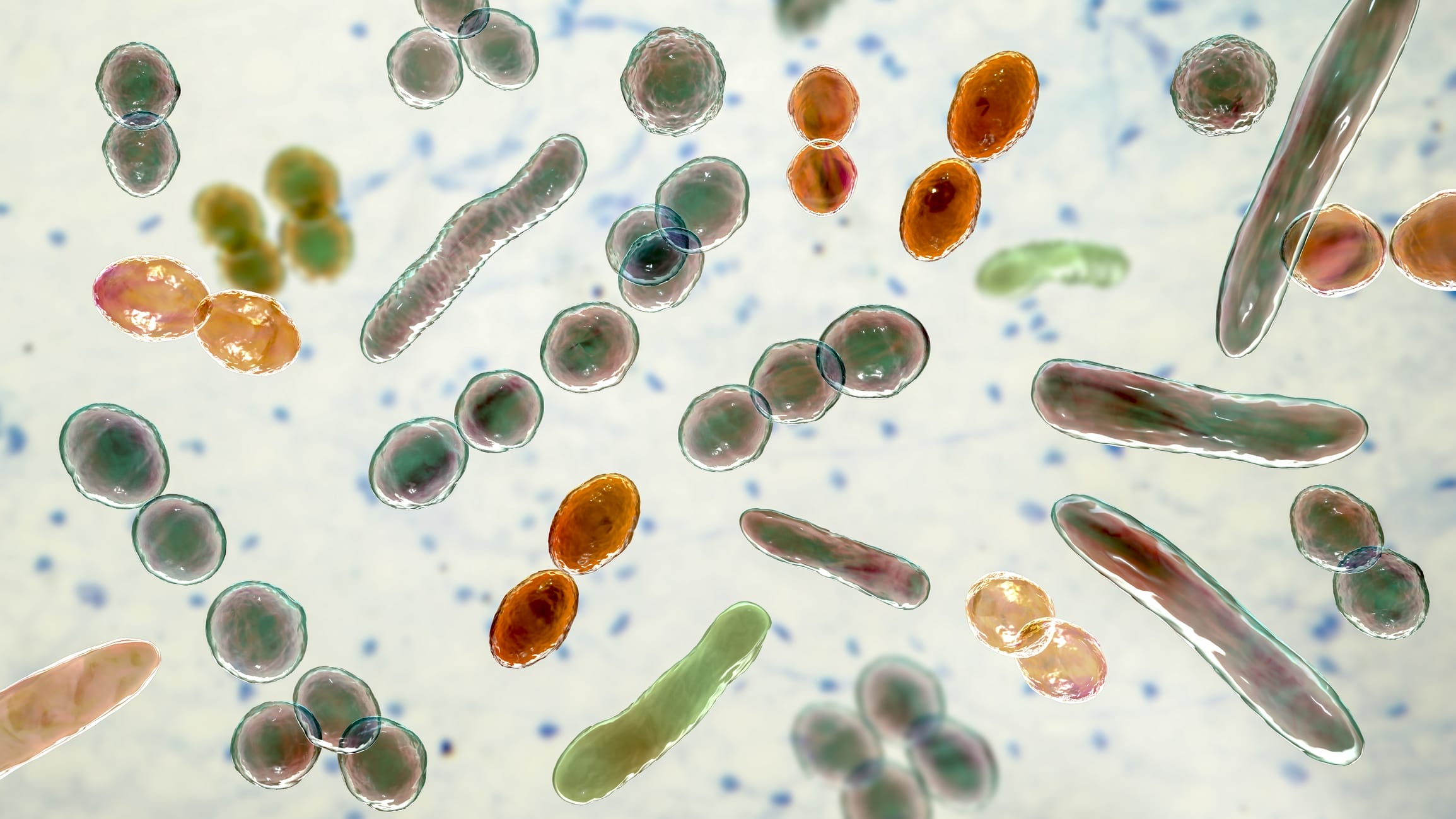
The gut microbiota could play a bigger role in the development of liver and biliary diseases such as PBC than what was previously thought.

A recent study compares the mechanisms and safety profiles of a number of alternatives to ursodeoxycholic acid in patients with PBC.

Strong evidence shows that changes in certain immune system genes raise or lower the risk of developing primary biliary cholangitis.

A recent study found that patients with PBC who do not respond to OCA within one year may have a higher risk of adverse effects.

Gut bacteria may play an important role in how primary biliary cholangitis (PBC) starts and worsens, according to a recent review.